
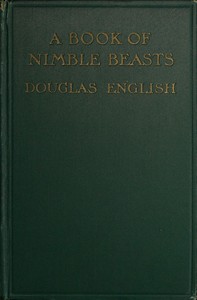
A Book of Nimble Beasts: Bunny Rabbit, Squirrel, Toad, and "Those Sort of…
I picked up 'A Book of Nimble Beasts' expecting a gentle, old-fashioned romp through the English countryside. What I got was something much more interesting and complex.
The Story
There isn't a single narrative. Instead, the book is a series of observational essays focusing on four classic animals: the rabbit, the squirrel, the toad, and a final section on 'Those Sort of…' creatures like rats and weasels. English writes about their habits, their homes, and their personalities with a sharp, detail-oriented eye. You'll learn about a rabbit's clever escape routes, a squirrel's hoarding habits, and a toad's surprisingly dignified life. But woven throughout is the perspective of a practical man of his time. He describes the beauty of a rabbit's fur in one sentence and mentions its value to the gamekeeper in the next. He admires a squirrel's agility while acknowledging it as a pest in the woods.
Why You Should Read It
This book stuck with me because it refuses to be just one thing. It's not a cute animal fable, nor is it a cold scientific text. It's a snapshot of a worldview. English's prose is clear and often witty, making even a toad seem like a compelling character. Reading it, you are constantly reminded that this was written before our modern, more preservationist attitude toward wildlife took hold. That makes it a fascinating historical document. You get genuine affection for these 'nimble beasts' alongside a blunt acceptance of nature's harsh realities and humanity's place in it. It challenged my own romantic notions about nature writing in the best way.
Final Verdict
This isn't a book for everyone. If you want a straightforward, feel-good animal story, look elsewhere. But if you're a reader who enjoys historical nonfiction, early nature writing, or just a unique perspective that makes you think, give it a try. It's perfect for fans of writers like Henry Williamson or anyone curious about the social history of our relationship with the natural world. It's a short, peculiar, and utterly captivating glimpse into a vanished mindset.
This historical work is free of copyright protections. Thank you for supporting open literature.
Kimberly Jackson
3 months agoI took detailed notes while reading through the chapters and the emphasis on ethics and sustainability within the topic is commendable. It’s a comprehensive resource that doesn't feel bloated.
Linda Jackson
5 months agoI was skeptical about the depth of this book at first, but the way it challenges the status quo is both daring and well-supported. A solid investment for anyone's personal development.
Richard Thomas
7 months agoI particularly value the technical accuracy maintained throughout.
James Martin
2 years agoI found the author's tone to be very professional yet accessible, the concise summaries at the end of each section are a lifesaver. I'll be citing this in my upcoming project.


Barbara Wilson
1 year agoRight from the opening paragraph, the concise summaries at the end of each section are a lifesaver. A rare gem in a sea of mediocre content.